
A Practical Timeline for U.S. Importers
One of the biggest misconceptions U.S. importers have this year is this:
Most shipping problems are not caused by price — they are caused by timing.
For the same shipment, choosing the wrong booking window can mean:
- Higher costs
- Unstable schedules
- Delays that disrupt inventory and sales
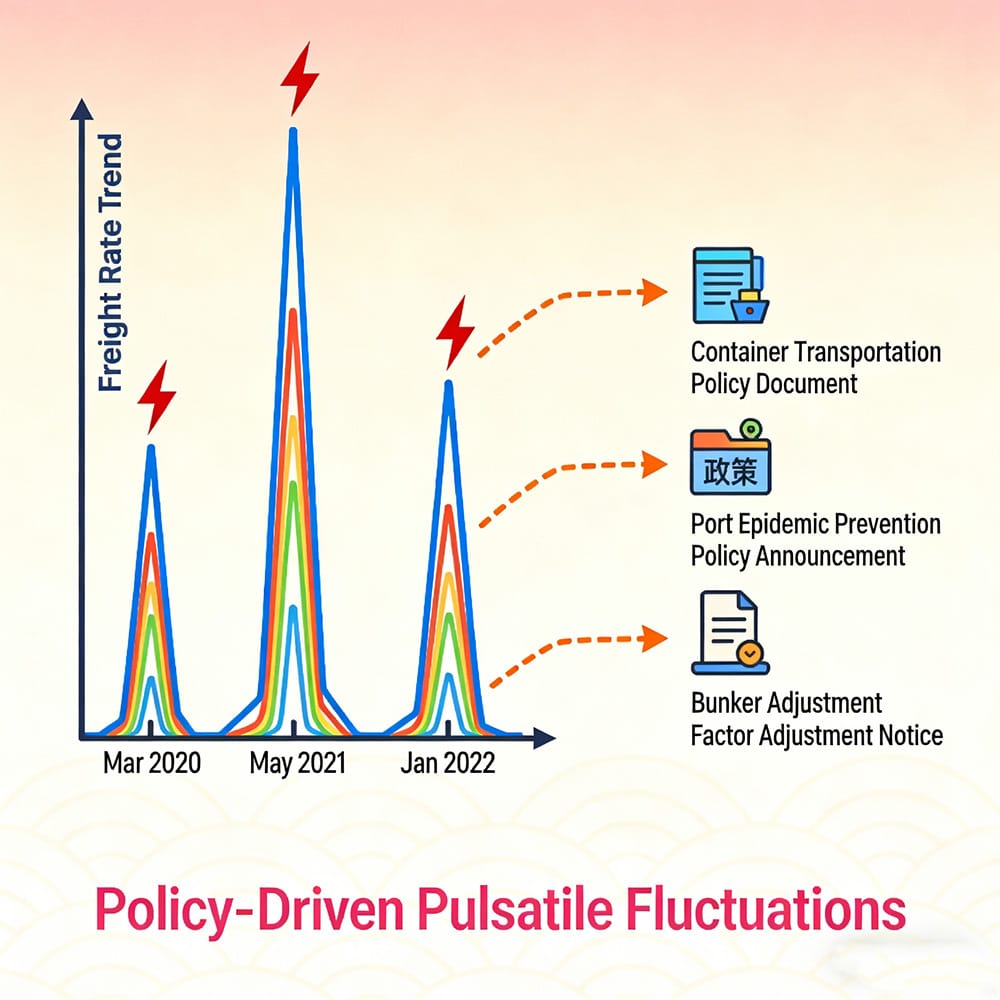
Below is a practical timeline showing when ocean freight bookings are most likely to go wrong this year, based on real market behavior — not theory.
- 2–3 Weeks After Chinese New Year
Looks Safe, but Easy to Misjudge
Typical period: Mid-February to early March
Many importers assume:
- Factories are just reopening
- Demand is low
- Space and rates will stay soft
What actually happens:
- Factory restart schedules are uneven
- Orders are released in clusters
- Carriers often control capacity to protect rates
Common mistake:
Waiting too long to book, only to find space tight when shipments are suddenly ready.
- April–May
Attractive Rates, Hidden Risks
This period often looks “safe” on paper:
- Rates appear low
- The market feels stable
- Many importers schedule replenishment shipments
The hidden issue:
- Carriers start restructuring services
- Blank sailings and port omissions increase
- Some low-rate options come with unreliable schedules
Common mistake:
Choosing the cheapest rate without checking schedule reliability.
- Late June – Early July
The “Expectation Gap” Trap
A very common assumption:
“Peak season is July–September, so booking in late June should be perfect.”
Reality this year:
- Many importers think the same way
- Orders are released simultaneously
- Carriers raise rates or control space earlier than expected
Common mistake:
Booking “a bit early” — but not early enough — and getting caught in the first congestion wave.
- August
One of the Riskiest Months to Book
If there is one month importers should be especially cautious, it is August.
Why:
- Retail and holiday inventory pressure
- Importers try not to push shipments into September
- Carriers hold strong pricing power
Typical problems:
- Sudden rate increases
- Limited access to reliable sailings
- Almost no flexibility for last-minute bookings
Common mistake:
Confirming shipments late while expecting both stable rates and good transit times.
- Late September – Early October
A Frequently Underestimated Risk Window
Many importers believe:
- Peak season is ending
- Rates should soften
What often happens instead:
- Port congestion returns in pockets
- Carriers adjust services for year-end planning
- Space availability becomes inconsistent
Common mistake:
Assuming “post-peak” automatically means smooth operations.
- November and Later
Bookable — but Only with Clear Calculations
Year-end bookings are not impossible, but they require caution:
- Frequent carrier schedule changes
- Reduced service reliability
- Holiday and year-end operational slowdowns
If booking during this period:
- Arrival dates must be confirmed carefully
- Warehouse appointments and storage risks must be calculated
Common mistake:
Saving on freight while ignoring downstream costs like demurrage, storage, or missed sales windows.
3 Practical Timing Strategies for U.S. Importers
- Don’t Just Ask “How Much Is the Rate?”
Ask instead:
“What are the risks of booking at this time?”
- Booking 1–2 Weeks Earlier Often Changes Everything
Even a 7–10 day difference can significantly affect:
- Cost
- Space availability
- Schedule reliability
- Freight Booking Is Time Management — Not Gambling
This year, successful shipping is about:
- Choosing the right window
- Managing risk
- Balancing cost and delivery certainty
Final Thought
The importers who struggle this year are not the ones who “misread the market.”
They are the ones who:
Made reasonable decisions — at the wrong time.
If you plan your booking windows carefully,
this year’s ocean freight market is challenging — but manageable.