Blog

Blog

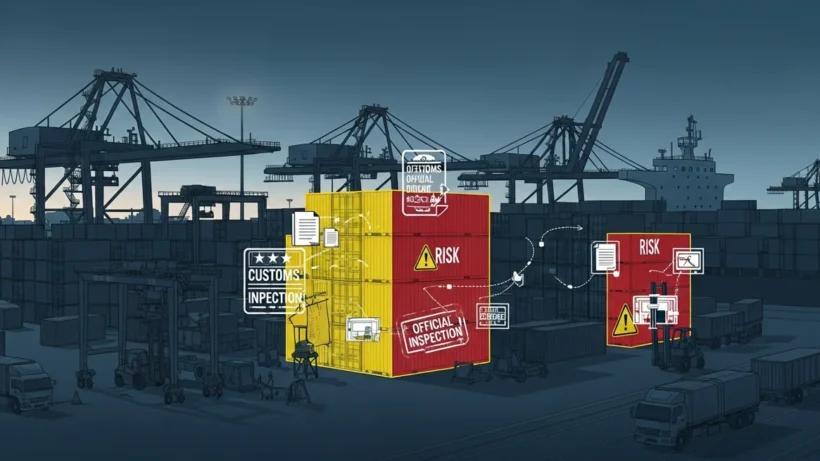
Which Products Are Now Essentially in a “Pre-Inspection” Status?

In today’s trade environment, many importers still ask the same question: “Can this product be shipped?” The more relevant question is often: “How likely is it to be inspected?” For certain product categories, the answer is increasingly clear: they are not officially banned, but they are effectively in a “pre-inspection”
Blog

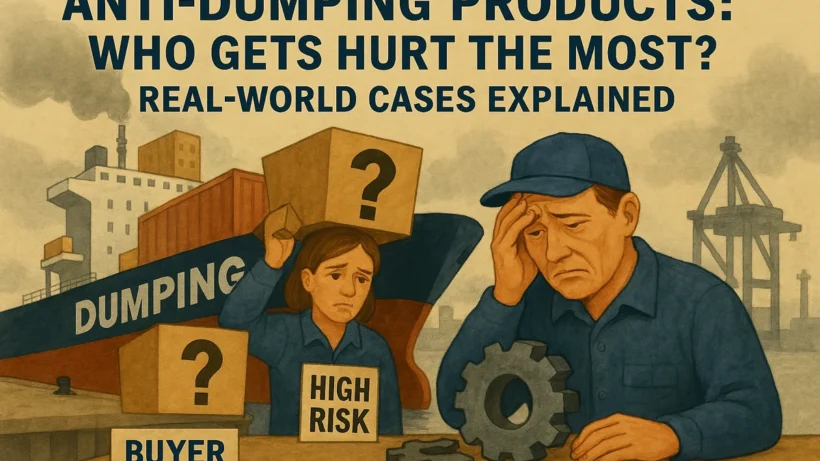
Anti-Dumping Products: Who Gets Hurt the Most? Real-World Cases Explained

In international trade, anti-dumping is not about whether a product can be shipped. It is about who ends up paying the price when something goes wrong. Many importers only realize the risk after the cargo arrives at the destination port—when delays, inspections, and unexpected costs begin to pile up. Based

Blog

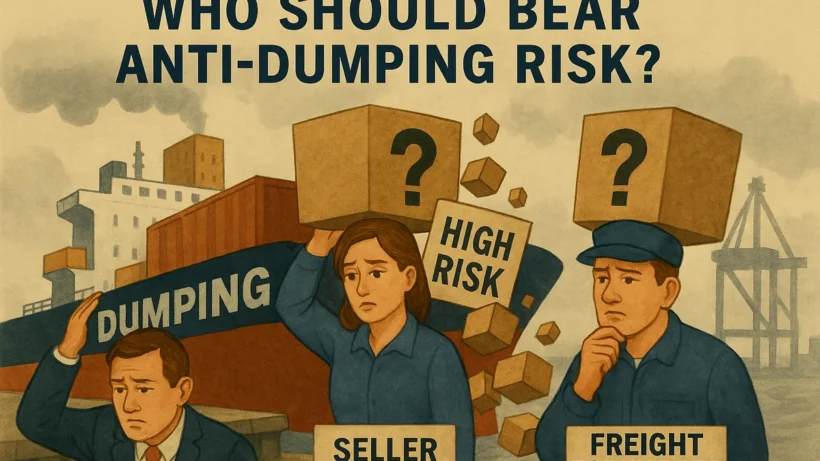
Who Should Bear Anti-Dumping Risk: The Buyer, the Seller, or the Freight Forwarder?

Anti-dumping issues are one of the most misunderstood risks in international trade. When a shipment is inspected, delayed, or hit with unexpected duties, the first reaction is often: “Who is responsible for this?” The buyer blames the seller. The seller blames customs. And the freight forwarder is often caught in

Blog

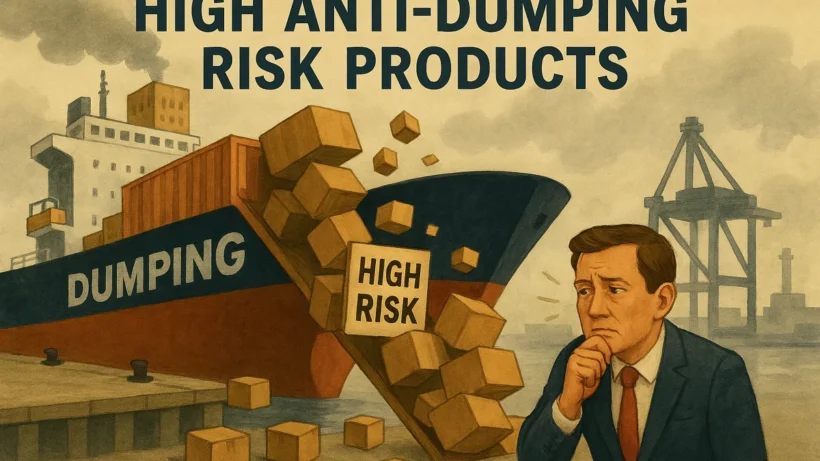
How to Identify High Anti-Dumping Risk Products Before You Book the Shipment

Many importers only discover anti-dumping risks after the container arrives at the port. By then, inspection fees, storage costs, and duty reassessments are already accumulating. In reality, most anti-dumping risks can be identified before booking — if you know where to look. Step 1: Check Whether the Product Is on

Blog

Anti-Dumping Products: The Real Risk Is Not Shipping — It’s Who Bears the Cost

Many importers only realize the seriousness of anti-dumping risks after their cargo is already at the port. By then, the problem is no longer whether the goods can be shipped, but who will carry the financial and compliance risk. Products Under Constant Scrutiny Based on recent clearance patterns, the following

Blog

New U.S. Tariff Signal: What Importers and Supply Chains Should Watch Closely

The recent statement from former President Donald Trump — proposing an immediate 25% tariff on any country conducting business with Iran while trading with the United States — may not yet be a formal regulation. However, as a policy signal, it carries meaningful implications for global supply chains, compliance planning,

Blog

What China’s Repeated Use of Rare Earth Controls Teaches Global Businesses

In recent years, China has repeatedly tightened controls on rare earth exports and related processing technologies. These moves—ranging from export licensing requirements to restrictions on overseas cooperation and end-use limitations—send a clear and consistent message to global markets: critical resources are no longer treated as ordinary commodities; they are strategic

Blog

When Are You Most Likely to Get Burned by Ocean Freight Bookings This Year?

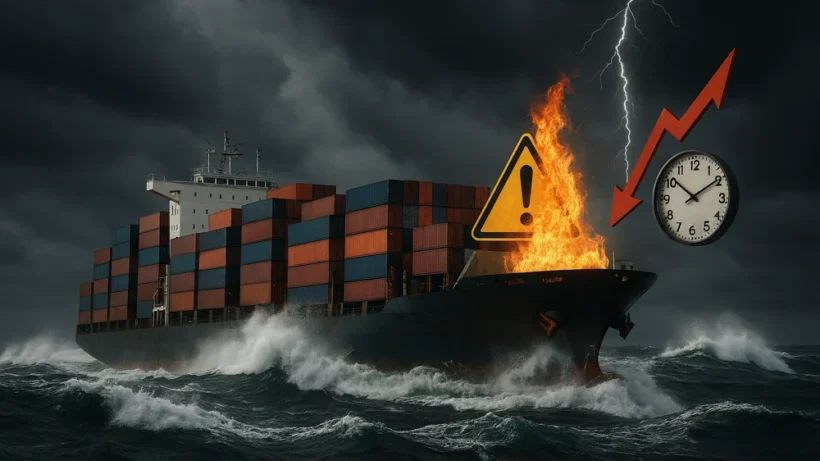
A Practical Timeline for U.S. Importers One of the biggest misconceptions U.S. importers have this year is this: Most shipping problems are not caused by price — they are caused by timing. For the same shipment, choosing the wrong booking window can mean: Higher costs Unstable schedules Delays that disrupt